Recycling and Sustainability with Man And Van Pentonville
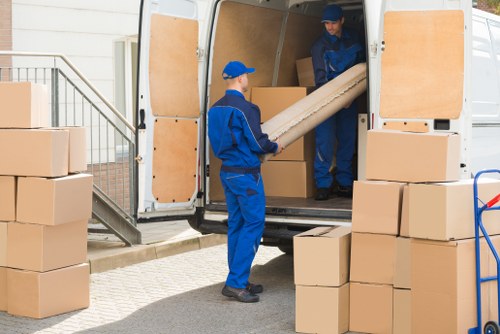 At Man And Van Pentonville, sustainability is built into the way we work, not added on as an afterthought. As a local man and van Pentonville service, we understand that moving, clearing, and transporting items creates opportunities to do better for the environment. Our approach focuses on responsible recycling, careful sorting, and keeping reusable items in circulation for as long as possible. We aim to make every journey count by reducing landfill use, improving material recovery, and supporting a cleaner local area.
Our recycling percentage target is to divert at least 85% of collected suitable waste away from landfill through reuse, recycling, and recovery routes. That target guides how we handle office clearances, household items, and light construction waste. A Pentonville man and van operation like ours often sees a mix of furniture, cardboard, metal, plastics, and electrical items, so having a structured sorting process is essential. Items are separated by material type wherever possible, and reusable goods are prioritised for donation or redistribution before anything is classed as waste.
We work with nearby local transfer stations to ensure waste is sent to the right facility for processing. In and around Islington and adjacent borough routes, transfer stations play an important role in managing mixed loads, separating recoverable materials, and reducing unnecessary transport miles. This is especially valuable in a dense urban area where smaller loads are common and efficient consolidation helps limit emissions. By using the right transfer point for each material stream, our recycling-focused van service helps keep recyclable items moving into the correct next stage.
 Borough-level waste separation is also part of the wider sustainability picture. In local areas such as Islington and neighboring London boroughs, household and commercial waste separation tends to be organised around paper, glass, food waste, mixed recycling, and residual refuse. We reflect that same logic in our collection work by keeping materials grouped as cleanly as possible during loading and unloading. This makes it easier for sorting facilities to process items efficiently and improves the chance that metals, wood, cardboard, and plastics can be recycled rather than discarded.
Another key part of our sustainability work is our partnership with charities and community reuse organisations. Many items removed during a clear-out still have plenty of life left in them, including wardrobes, tables, shelving, and office furniture. Rather than sending these directly into recycling streams, we look first at whether they can be passed to charitable partners for reuse. This helps local families, community projects, and voluntary groups access useful goods while reducing the amount of material entering the waste system. It is one of the simplest and most effective ways a Pentonville man with a van service can support circular living.
 Our vehicle fleet also contributes to lower environmental impact. We use low-carbon vans that are selected for fuel efficiency and reduced emissions, helping us carry out removals and collections with a smaller footprint. For urban work, that matters: stop-start driving, short hops between jobs, and multiple drop-offs can quickly increase fuel use if the fleet is not managed well. By investing in cleaner vans, planning routes carefully, and combining nearby jobs where practical, our Man And Van Pentonville service reduces unnecessary mileage and improves air-quality performance in the local area.
We also pay attention to the types of recyclable materials commonly found in Pentonville homes, flats, and businesses. Cardboard from packaging, mixed metals from shelving and appliances, scrap wood from furniture dismantling, and certain hard plastics can often be recovered when they are separated correctly. Electrical items are handled carefully so components can be taken to appropriate facilities for safe processing. This practical approach helps ensure that waste from a man and van Pentonville job does not become a single mixed load headed straight for disposal.
Our team aims to make sustainability straightforward during every collection. That means encouraging item segregation at the point of loading, identifying reusable goods early, and directing recyclable materials to the most suitable facility. In a busy urban setting, simple actions make a real difference: flattening cardboard, grouping metals together, keeping textiles separate, and avoiding contamination of clean recyclables all support better outcomes. These steps improve the efficiency of the local waste chain and strengthen the environmental value of every clearance or delivery.
Where appropriate, we also support reuse before recycling. This hierarchy matters because the greenest item is often the one that does not need to be remanufactured at all. A sofa reused through a charity partner, for example, avoids the energy use associated with material recovery, transport, and replacement production. By comparing reuse, recycling, and disposal options on each job, our Man and Van Pentonville sustainability approach stays practical, responsible, and aligned with the needs of the area.
 Sustainability also extends to how we operate day to day. We reduce idling, keep vehicles maintained for better efficiency, and organise loads to avoid unnecessary repeat trips. These habits help lower carbon output while improving service reliability. In a local context, small operational changes can have a big cumulative effect, especially where many journeys involve short inner-London distances. That is why our low-emission working methods are a core part of the service rather than a side benefit.
We believe a modern Man And Van Pentonville should offer more than transport alone. It should support a cleaner borough, encourage responsible disposal, and work with the systems already in place for sorting and recovery. From charity partnerships to local transfer stations and borough-style separation practices, our model is designed to fit the way London handles materials today. The result is a service that is flexible for customers and better for the environment.
 Looking ahead, our commitment remains clear: keep raising recycling performance, strengthen charity reuse links, and continue using low-carbon vans wherever possible. By combining practical sorting, careful routing, and a strong focus on recovery, Man and Van Pentonville helps turn everyday removals into a more sustainable process. It is a simple principle with lasting value: move what needs moving, reuse what can be reused, and recycle the rest with care.