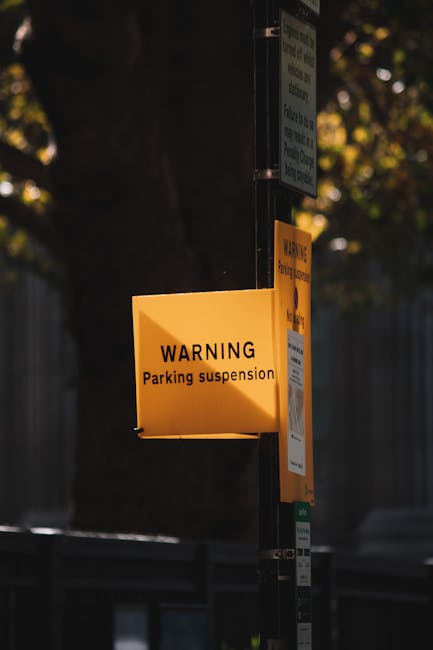
Removals for homes with parking restrictions in Pentonville
Moving house is stressful enough before you add tight streets, permit bays, yellow lines, time limits, and a van that needs somewhere sensible to stop. If you are planning Removals for homes with parking restrictions in Pentonville, the real challenge is rarely the lifting. It is the logistics. Where does the vehicle wait? How close can it get to the front door? What happens if the only space is blocked or the loading bay disappears just as the crew arrives?
That is exactly why parking-aware moving plans matter in Pentonville. In a place where streets can be busy, spaces scarce, and access awkward at peak times, a good removal job is as much about preparation as it is about muscle. This guide walks you through how it works, what to expect, the common pitfalls, and how to make your move feel calmer and more controlled. If you want the short version: plan early, measure honestly, and leave yourself a little breathing room. A lot of problems vanish when you do that.
Table of Contents
- Why Removals for homes with parking restrictions in Pentonville Matters
- How Removals for homes with parking restrictions in Pentonville Works
- Key Benefits and Practical Advantages
- Who This Is For and When It Makes Sense
- Step-by-Step Guidance
- Expert Tips for Better Results
- Common Mistakes to Avoid
- Tools, Resources and Recommendations
- Law, Compliance, Standards, or Best Practice
- Options, Methods, or Comparison Table
- Case Study or Real-World Example
- Practical Checklist
- Conclusion
- Frequently Asked Questions
Why Removals for homes with parking restrictions in Pentonville Matters
Pentonville has the kind of urban movement patterns that make parking part of the move itself. A van may not be able to sit outside the property for long, and sometimes it cannot stop there at all without careful planning. That can create knock-on effects: longer carrying distances, extra labour, slower loading, and a greater chance that fragile items get jostled while being moved from one point to another.
For households, this matters because moving day already carries enough pressure. One missing parking plan can ripple into delays with keys, awkward building access, and a queue of neighbours trying to get past the van. To be fair, most of these problems are avoidable. The fix is not complicated, but it does need thought.
It also matters financially. If the crew has to park farther away than expected, they may need more time to complete the same job. If access is unexpectedly poor, the move can feel less efficient than it should. In our experience, customers are often surprised by how much smoother things go when the access plan is sorted before anything is loaded.
There is another angle too: confidence. When you know the vehicle has a workable place to stop, you can focus on the details that actually make a home move successful. Boxes. Keys. Furniture protection. The kettle, if we are being honest. Those are the bits people remember after the dust settles.
How Removals for homes with parking restrictions in Pentonville Works
A parking-restricted home removal usually starts long before the van arrives. The key is to treat access as part of the job specification, not a side note. The move should be planned around the street layout, the building entrance, the time of day, and whether waiting, loading, or double-parking is realistic or not.
In practice, the process usually looks like this:
- Access is assessed - The removal team asks about the property, road width, bay restrictions, steps, lifts, and the walking distance from parking to front door.
- Vehicle size is matched - A smaller van may be more sensible than a larger truck if turning space or parking is tight.
- Loading strategy is set - The order of items matters. Heavy pieces, then boxes, then fragile bits. Or the other way around if the building access forces a different rhythm.
- Arrival timing is planned - In busy areas, arriving too early can be as awkward as arriving late. You want the vehicle to have the best chance of getting the right space.
- Carry route is kept clear - Hallways, front steps, and shared entrances are checked so the team can move without bottlenecks.
If the move is more complex, the team may suggest support through man and van or a larger removals arrangement, depending on the size of the property and the amount of furniture involved. For flats, the same access thinking applies, sometimes even more so. You can see why flat removals are often about planning as much as carrying.
One thing people often overlook is the return journey. If the van has to leave and come back later because of parking rules, that can affect the pace of the whole day. So yes, the parking plan is not glamorous. But it is the backbone of the move.
Key Benefits and Practical Advantages
A well-planned move in a restricted parking zone brings more than convenience. It gives you control. That may sound obvious, but moving day has a funny way of turning small uncertainties into bigger ones. Get the access right, and the whole job tends to feel more manageable.
- Less time wasted because the van has a realistic parking plan.
- Reduced carrying distance, which helps protect both furniture and people.
- Lower risk of rushed handling when the team is not fighting for space.
- Better scheduling for key collection, elevator use, and building access.
- Cleaner communication between the household and the moving team.
- Fewer surprises on the day, which is worth its weight in cardboard boxes.
There is also a quieter benefit: good planning can reduce tension with neighbours and building managers. If a vehicle is positioned sensibly and the move runs in a tidy block of time, people are usually far more forgiving. That matters in close-knit streets and shared buildings where everyone can hear the clatter of a trolley on the pavement.
For households with specialist items, this matters even more. If you are moving a piano, awkward furniture, or boxed electronics, your access plan has to support safe handling. That is where related services such as piano removals, furniture removals, or packing and boxes can make a real difference. The right support is not about fancy extras. It is about reducing friction.
Who This Is For and When It Makes Sense
This type of removal is a strong fit for anyone moving from a home where roadside stopping is limited, especially in narrower streets or busy residential pockets. It is particularly useful if you live in a flat, a terrace, a converted building, or a property where the front door is not directly accessible from an open driveway.
It often makes sense for:
- people moving from upper-floor flats with no private parking
- families leaving streets with permit-only bays or loading restrictions
- students moving in or out of compact accommodation
- flat sharers with multiple bedrooms worth of belongings
- households with bulky furniture and limited building access
- anyone needing a tight turnaround because of key handover timing
It can also suit people who are not moving much at all, but just need a careful collection of large items. For example, a sofa that will not fit into a standard lift, or a bed frame that has to be carried through a narrow stairwell. In those cases, services like furniture pick up or furniture removals may be the cleaner option.
Honestly, if you are looking at the street outside your home and thinking, "there is no chance a big van can just sit there," then this guide is probably for you. That little instinct is usually right.
Step-by-Step Guidance
Here is a practical way to organise a move when parking is restricted. Keep it simple. Simple wins on moving day more often than elaborate does.
- Check the access details early
Look at the street, signs, bay markings, and the distance from the nearest workable stopping point to your front door. If the route includes stairs, a tight entry, or narrow hallways, note that too. - Measure the awkward bits
Measure the widest furniture pieces, the height of larger items, and the size of doors or lifts. A few quick measurements can prevent a lot of guesswork. - Choose the right moving setup
If space is tight, a smaller vehicle may be easier to position. That is why a removal van or a flexible man with van setup can be useful for certain homes. Bigger is not always better. - Pack with carry distance in mind
Items that may need to be walked farther should be packed securely and clearly labelled. Put the heaviest boxes where they are easiest to lift, not buried at the bottom of a stack. - Agree a loading order
Ask for bulky furniture to be moved first if it will block hallways, or place priority items last if they need to come off first at the new address. - Plan for delays without panic
Parking can shift. Someone may already be in the space. A loading bay may be busy. Leave a little margin in the schedule so one hiccup does not unravel the whole day. - Keep essentials separate
Documents, chargers, medication, pet items, and a kettle kit should travel where you can reach them. You do not want to be hunting for a phone charger under a pile of bedding.
If you are also arranging boxes, unpacking, or temporary overflow, services like packing and unpacking services and storage can reduce pressure. That is especially useful if your new property is not ready all at once, which happens more often than people expect.
Expert Tips for Better Results
Here are the little things that make a big difference. The sort of details that feel minor until they save you an hour.
- Book the move for a quieter window if possible. Midday is not always magic, but it can be easier than the school-run chaos or the late-afternoon parking shuffle.
- Tell the movers about every access issue, even the annoying ones. Side gates, basement steps, and odd key codes are all worth mentioning.
- Use visible labels on boxes. "Kitchen - fragile" beats a cryptic scribble in felt pen. Every time.
- Keep communal areas clear so the carry path stays safe and fast.
- Protect surfaces if the route passes through a hallway with new paint, polished floors, or tight corners.
- Confirm whether waiting is realistic near the property. In restricted areas, "we'll just stop there" is not a plan.
One practical tip that gets overlooked: if your street is busy, ask a neighbour or building manager whether any usual parking pattern changes at certain times. Sometimes the street looks fine at 9am and hopeless by 10am. That little bit of local knowledge can be gold.
And if you need a flexible, smaller-scale move, the pages for man with a van, man with van, and removal van are useful touchpoints when planning the vehicle size. Not every home move needs a giant truck rumbling down the road.
Common Mistakes to Avoid
Parking-restricted moves usually go wrong in the same few ways. Once you know the traps, they are easier to dodge.
- Assuming a van can park right outside without checking signs or bay rules.
- Underestimating carry distance from the vehicle to the door.
- Leaving packing too late, then scrambling on the day while the crew waits.
- Choosing the wrong vehicle size for the street layout.
- Forgetting about building access, like lift bookings or stairwell width.
- Not allowing time for parking searches in a busy part of Pentonville.
- Failing to tell the removal team about restrictions because you think they will spot them themselves.
That last one is the sneaky one. People often assume the crew will "work it out" on arrival. Sometimes they do, of course. But the day runs better when everyone starts with the same picture. The more the team knows in advance, the less chance there is of improvising in the rain while carrying a wardrobe. Nobody enjoys that.
Tools, Resources and Recommendations
You do not need a long list of gadgets to manage a restricted-parking move well. You need a few sensible tools, a clear plan, and the discipline not to leave everything until the night before.
Useful things to have ready include:
- packing tape and sturdy boxes
- labels or marker pens for room-by-room sorting
- a tape measure for doors, stairs, and furniture
- blankets or covers for soft protection
- bin bags for last-minute soft items and bedding
- a phone with photos of the street, bay signs, and entrance steps
It also helps to review practical information pages before moving day, especially if you are checking how booking, payment, or service terms work. A clear understanding of pricing and quotes, payment and security, and terms and conditions can reduce last-minute confusion. If you want a better sense of the company and how it operates, about us is worth a read too.
For households that want a more rounded moving plan, it may also help to look at home moves and house removals. Those pages are useful when the job is bigger than a single van run and you need a more complete relocation service.
Law, Compliance, Standards, or Best Practice
For a home move in Pentonville, the main compliance issues are usually practical rather than dramatic. Parking restrictions, local traffic conditions, safe lifting, and respect for shared spaces are the key areas to get right. You may also need to follow any building rules for access, lift use, or moving hours. Those rules can vary by property, so it is best to check rather than assume.
Good practice usually includes:
- parking only where it is lawful and appropriate
- keeping pavements and entrances as clear as possible
- planning lifting so items are handled safely
- using suitable vehicle sizes for the street and the load
- following any site-specific rules from landlords, agents, or building managers
From a safety point of view, the important thing is to reduce unnecessary strain and avoid rushed carrying. That is where an experienced removal team makes a real difference. It is not just about strength. It is about judgement.
If you want reassurance around safety and handling, the site's health and safety policy and insurance and safety information are useful reads before you book. For environmentally aware moving decisions, recycling and sustainability may also be relevant, especially if you are decluttering as part of the move.
Options, Methods, or Comparison Table
Different homes need different moving approaches. Parking restrictions often decide the best method before the first box is lifted. Here is a simple comparison to help you think it through.
| Method | Best for | Strengths | Watch-outs |
|---|---|---|---|
| Small van move | Light to medium loads, tight streets | Easier parking, more flexible access | May need more trips if the load is larger |
| Standard removal van | Typical home removals with moderate furniture | Good balance of space and manoeuvrability | Still needs sensible stopping space |
| Larger moving truck | Full-house moves with bigger volumes | More capacity in one trip | Harder to position in restricted streets |
| Hybrid approach | Tricky access or staged moves | Flexible and often efficient | Needs good coordination |
In real life, the right option is rarely the one with the biggest vehicle. It is the one that fits the property, the street, and the schedule. A tight Pentonville street can make a smaller vehicle look like the smartest thing in the world.
If your move involves many items but parking is awkward, a staged plan can help. You might move smaller boxes first, then furniture, then a final sweep of essentials. In some cases, same day removals can still work, but only if access and timing are handled properly. Speed is useful, but only when it is controlled.
Case Study or Real-World Example
Picture a second-floor flat in Pentonville with controlled parking outside, a narrow stairwell, and no lift. The household has a bed frame, a two-seater sofa, six medium boxes, kitchenware, and a small dining table. Nothing extreme, but enough to create a headache if the vehicle ends up parked three doors away.
In a sensible plan, the mover checks the street in advance, brings a vehicle that can position more easily, and times arrival for a window when parking is more likely to open up. Fragile items are packed early, the sofa is protected, and the carry route is kept free of loose shoes, plants, and that one decorative basket everyone owns but no one knows where to put.
The result is not dramatic. That is the point. The move feels orderly. The team spends less time walking back and forth, the hallway stays clear, and the household can start unpacking without feeling wiped out by lunchtime. A boring move is a good move, really.
If there had been a delay, the backup plan could have been a temporary hold while using secure storage or a smaller carry strategy. And if the property had included more awkward furniture, support from furniture removals would have reduced the strain considerably.
Practical Checklist
Use this checklist the day before and again on the morning of the move.
- Confirm the moving time and the access window
- Check parking signs, bays, and any time restrictions
- Measure large furniture and tricky doorways
- Label boxes by room and priority
- Keep documents, keys, medication, and chargers separate
- Clear the route from door to vehicle as much as possible
- Warn the team about stairs, lifts, or narrow corridors
- Set aside cleaning items for the final sweep
- Share contact details for anyone managing access on the day
- Allow a little extra time. Not a huge amount, just enough to breathe
Expert summary: With parking-restricted removals, access planning is not an admin task. It is the move itself. If the vehicle can stop sensibly, the rest of the job becomes easier, safer, and far less frantic.
For some households, especially those moving on a tighter budget or with a smaller load, the broad category of removal services can be the most practical starting point. For others, especially flat-based moves, the more tailored approach of flat removals is a better fit.
Conclusion
Removals for homes with parking restrictions in Pentonville are rarely about brute force. They are about smart sequencing, calm timing, and realistic access planning. Once you accept that the street is part of the job, not just the backdrop, everything becomes easier to manage.
That means checking where the van can stop, choosing the right vehicle, packing with the carry route in mind, and giving yourself just enough margin for the unexpected. Nothing fancy. Just good, grounded planning. And in a neighbourhood where parking can be tight and the day can feel busy before it has even begun, that is what makes the difference.
If you are preparing for a move and want the process handled with care, thoughtful planning, and a clear understanding of local access challenges, the next step is straightforward. Get a free quote today and see how much you can save.
Good moves have a quiet kind of confidence about them. You notice it most when there is no drama, just a smooth path from one home to the next.
Frequently Asked Questions
How do removals work when parking is restricted in Pentonville?
The move is planned around access first. The team looks at where the vehicle can stop, how far items must be carried, and whether a smaller van would be easier than a larger one. That planning usually matters more than people expect.
Do I need to arrange parking in advance?
It depends on the street and the property, but it is always worth checking. Even if no formal arrangement is needed, knowing the nearest realistic stopping point helps avoid delays on moving day.
What if the van cannot park directly outside my home?
That is common in restricted streets. The crew can still work from a nearby lawful stopping point, but the carry distance will be longer. Good packing and sensible timing help keep things efficient.
Is a smaller van better for tight Pentonville streets?
Often, yes. A smaller vehicle can be easier to position, especially where parking is limited or the road is narrow. That said, the best choice depends on the amount of furniture and the type of access.
How far in advance should I plan a parking-restricted move?
Earlier is better. A few days of planning can make a real difference, and longer is even better if the move is large or the building has extra rules. Last-minute planning tends to create avoidable stress.
Can packing services help with a restricted-parking move?
Yes. Good packing helps reduce damage during longer carries and makes loading more organised. If you are juggling access issues as well as a full household, packing and unpacking services can be a genuine relief.
What should I tell the removal team before moving day?
Tell them about parking restrictions, bay times, staircases, lifts, narrow entrances, access codes, and any items that are especially awkward or fragile. The more practical detail they have, the better.
Are same day removals realistic in Pentonville?
Sometimes, yes, but only if the load is manageable and access is clear enough. If parking is restricted, the timetable needs to be particularly well judged. Otherwise, the day can become more hurried than helpful.
What happens if I have heavy furniture and limited parking?
Then the move needs careful handling, a sensible vehicle, and possibly additional support for bulky pieces. Services such as furniture removals can help make that process safer and less awkward.
Can storage be useful during a move with parking restrictions?
Yes, especially if your moving-out and moving-in dates do not line up neatly or you want to reduce the load on the day. Temporary storage can make a complicated move feel much simpler.
What is the biggest mistake people make with restricted-parking removals?
Assuming the van will "sort itself out" on arrival. It rarely does. The best moves are the ones where access, timing, and vehicle choice are all thought through before the first box is moved.
Is this type of move only for flats?
No, not at all. Flats are common examples, but terraced houses, converted homes, and properties on busy residential streets can all have the same issue. If parking is awkward, the same planning principles apply.