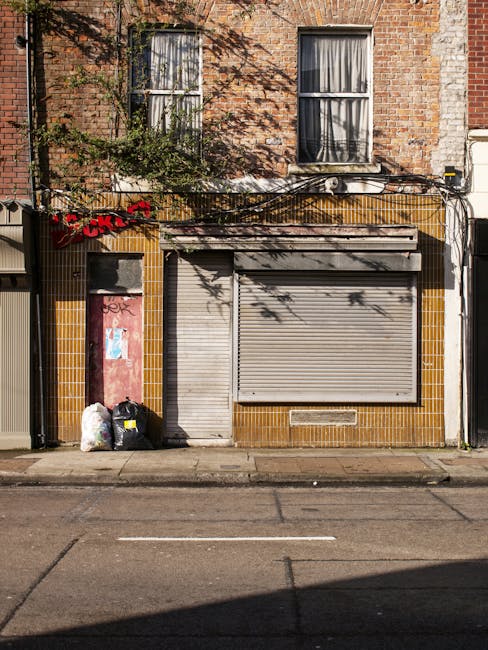
Islington Council rules for house removals and permits: a practical guide for moving day
Moving house in Islington can feel simple on paper and slightly chaotic in real life. Narrow streets, controlled parking zones, red routes, stair-heavy flats, and tight time windows all have a way of turning a normal move into a small logistical puzzle. That is why understanding Islington Council rules for house removals and permits matters before the van turns up outside.
This guide explains the common permit issues, parking expectations, practical planning steps, and the mistakes people often make when moving in Islington. It is written for anyone preparing a flat move, a house move, or a last-minute relocation in a busy part of London. If you want the moving side handled smoothly too, you may also find the team's house removals and man and van services useful when comparing options.
Truth be told, the hard part is usually not lifting the sofa. It is getting the vehicle legally and safely close enough to the property in the first place.
Why Islington Council rules for house removals and permits matter
Islington is one of those London boroughs where moving day can go right or wrong based on a few small details. If your removal van blocks a restricted bay, stops in a loading area for too long, or parks where a permit is required and none has been arranged, you may face delays, fines, or a move that drags on much longer than planned. And nobody wants to start a new chapter by carrying boxes up three flights twice because the van had to move on.
The rules matter for three main reasons. First, they help you avoid enforcement problems. Second, they protect access for neighbours, pedestrians, emergency services and traffic. Third, they help your removal team work efficiently, which usually means less stress and fewer surprises. In a borough with compact streets and a lot of shared access space, this is not just paperwork. It directly affects the day.
There is also a timing issue. Moving windows can be narrow, especially if you are dealing with landlord requirements, building access rules, or lift bookings. If you leave permit checks until the morning of the move, you can end up with a patchwork solution that costs more in time and energy than it should.
Expert summary: In Islington, the smartest move is usually the one planned around parking and access first, then the packing, then the furniture. Get the space right and everything else tends to fall into place.
How Islington Council rules for house removals and permits works
The basic idea is straightforward: if your removal vehicle needs to stop, park, load or unload in a restricted area, you may need permission or a valid parking arrangement that fits the location and time. The exact position depends on the street, the bay markings, the local restrictions, and whether the vehicle is commercial or private.
In practical terms, most moves involve checking a few things in advance:
- whether the street has resident parking controls
- whether there is a loading bay or short-stay option nearby
- whether the van can stop legally close enough to the property
- whether the building has its own access rules or time restrictions
- whether a parking suspension, dispensations, or another arrangement is needed
House removals are rarely just a "park outside and go" job in Islington. A move from a top-floor flat on a busy street may need far more careful planning than a suburban removal. Even within one street, rules can change from one bay to the next. That is where people get caught out.
If you are using a professional crew, it helps to choose a team that understands local logistics and can adapt quickly. Options such as removal services, removal van, or even same day removals can be useful, but only if the parking side is handled properly. Fast is good. Illegal parking is not.
A useful habit is to think in layers: building access, street access, van access, then lifting routes. That sequence keeps you from discovering a problem too late. You know the type of issue: the sofa fits the hallway, but the van is three streets away and the loading window is already half gone.
Key benefits and practical advantages
Getting the permit side right is not just about compliance. It also makes the move more efficient and less emotionally draining, which honestly counts for a lot on moving day.
- Fewer delays: The crew can load and unload without scrambling for legal parking.
- Lower risk of penalties: You reduce the chance of tickets or enforcement issues.
- Better time control: Less time spent circling the block, more time moving.
- Safer handling: Shorter carrying distances mean less strain and fewer mishaps.
- Smoother neighbour relations: Nobody enjoys a van idling across a driveway at 7 a.m.
There is also a knock-on benefit that people often overlook. Once access is confirmed, you can pack more intelligently. For example, if the van can park close to the entrance, you may prioritise larger items and bulky boxes. If access is awkward, you might choose lighter loads and a more careful staging plan. That is the difference between a move that feels controlled and one that feels like a runaway weekend project.
For some households, using packing and boxes support or full packing and unpacking services can also reduce pressure, because you are not trying to solve access, packing, and transport all at once.
Who this is for and when it makes sense
This topic matters to a surprisingly wide group of people. If you are moving in or out of Islington, there is a good chance you need at least some kind of parking or access plan. It is not just for large family homes with full removal lorries.
It is especially relevant if you are:
- moving from or to a flat in a controlled parking zone
- using a commercial removal vehicle or larger van
- moving during a busy weekday when kerb space is scarce
- working with a landlord, concierge, or building manager who has set time slots
- moving furniture, white goods, or heavy items that need close vehicle access
- handling a student move, a shared flat move, or a small same-day move
Students and renters often assume their move is too small to worry about permits. Not always. A few boxes and a mattress can still become awkward if the van has nowhere sensible to stop. On the other hand, homeowners sometimes overcomplicate things by assuming they need a heavyweight solution when a simple local setup would do.
If you are comparing moving options, services such as flat removals, student removals, and home moves can help match the move to the actual scale of the job. That matters because the best permit strategy depends partly on the size of the vehicle you choose.
Step-by-step guidance
Here is a simple way to approach Islington removals without making it more complicated than it needs to be.
- Confirm the moving date and time. Start with the real moving window, not the ideal one. Are you leaving in the morning, after work, or over a weekend?
- Check the exact street restrictions. Do not rely on memory. Street rules can be different from the last time you visited the property.
- Measure access properly. Think about the route from property to vehicle: stairs, lifts, door widths, turning space, and whether a trolley can be used.
- Choose the right vehicle size. A smaller van may be easier to place legally, while a larger truck may reduce trips but create more parking pressure.
- Arrange permits, suspensions or parking permissions if needed. This is the bit people leave too late. Don't.
- Tell neighbours or the building manager where appropriate. A little notice helps prevent conflict and blocked entrances.
- Pack with access in mind. Put heavy, awkward, or urgent items near the exit so loading is orderly.
- Have a backup plan. If the ideal spot is occupied, know where the crew can move to without causing chaos.
A real-world example: imagine you are leaving a first-floor flat near a busy Islington road. The road looks manageable at 8 a.m., but by 10 a.m. the short-stay spaces are full and deliveries are coming and going. If you planned only for the first choice of parking, the entire move becomes fragile. If you planned a backup loading point, the day stays calm. Not perfect, maybe, but calm.
That calm is worth something.
Expert tips for better results
In our experience, the moves that go best are the ones where the mover and the customer share the same picture of the day. Here are a few practical ways to get there.
- Book earlier than you think you need to. Access arrangements can take longer than expected, especially around busy periods.
- Take photos of the street and entrance. A quick set of images helps identify loading problems before move day.
- Keep a parking margin. If the perfect bay is unavailable, a nearby alternative should still keep the move workable.
- Use labelled boxes. It sounds basic, but it saves time when everything is stacked near the kerb.
- Separate essential items. Kettle, chargers, documents, medication, keys. Keep them easy to reach.
- Choose a team that understands local conditions. Local knowledge is underrated. It can save you a proper headache.
One more thing: if your move includes furniture you are not taking with you, consider whether furniture removals or furniture pick up is a better fit than trying to make the main move do everything. Mixing disposal, storage, and relocation can turn a straightforward day into a logistical stew. Not the nice kind.
And yes, ask questions. Lots of them. A good moving plan survives questions. A weak plan tends to wobble.
Common mistakes to avoid
Most problems with Islington moving rules come from predictable oversights, not dramatic disasters. The good news? Predictable mistakes are easier to fix.
- Assuming the street is fine because it was fine last year. Restrictions change, and so does enforcement.
- Leaving permit checks to the last minute. This is the big one. Moving day is the wrong day for admin panic.
- Booking the wrong vehicle size. Too big and it becomes awkward to place; too small and you waste hours shuttling back and forth.
- Ignoring building rules. Many flats and estates have their own move-in/move-out procedures.
- Not checking lift access or stair capacity. A chest of drawers is much less charming on the fourth landing.
- Failing to communicate with the removal team. The driver cannot read your mind, sadly.
A small but common trap is assuming the van can just stop for a minute. On a quiet cul-de-sac, maybe. In central and inner London streets, "just a minute" can still be the difference between a smooth load and a ticket. So be precise. Very precise.
Tools, resources and recommendations
You do not need a complicated toolkit to manage an Islington house move well. What you need is a short list of useful information and a habit of checking the right details early.
- Property details: exact address, floor level, access code, lift availability, and any concierge instructions.
- Vehicle details: registration, size, and whether the van is likely to fit the planned stopping point.
- Moving inventory: a list of large items, fragile items, and anything that needs special handling.
- Time plan: estimated arrival, loading time, travel time, and unloading time.
- Contact list: landlord, estate manager, removal team, and someone who can make quick decisions on the day.
For people who want a fuller service, it can be useful to look at removal companies and compare that with a more tailored approach like removal van or removal truck hire. The right choice is not always the biggest one. Sometimes smaller and more flexible wins, especially where parking is tight.
If you need somewhere to bridge the gap between moving dates, a short-term storage option can reduce pressure and give you more freedom on the access side. That can be a relief when one property is ready before the other, which happens more often than people expect.
Law, compliance, standards and best practice
Moving in Islington is not only a practical task; it also has a compliance side. Even without getting lost in legal wording, the main principle is clear: vehicles must be parked and operated lawfully, and any local restrictions must be followed. That includes permit zones, loading restrictions, bay rules, and any temporary controls in place.
From a best-practice point of view, you should also consider:
- highway safety for pedestrians and passing traffic
- safe manual handling when carrying items in and out of the property
- damage prevention for walls, railings, doors, and shared hallways
- insurance awareness so everyone understands what is covered
- clear communication about timings and access points
Professional movers should work to sensible standards around safety and handling. If you want to understand how a company thinks about this side of the job, their health and safety policy and insurance and safety information are useful pages to review before booking. It is not glamorous reading, but it tells you a lot about how seriously the mover takes the job.
There is also a broader responsibility around ethics and waste. If your move involves disposing of items, a sensible mover should think about reuse and recycling where possible. For more on that general approach, see recycling and sustainability. Little choices add up. They always do.
Options, methods and comparison table
Different moves need different setups. The right method depends on the amount you are moving, the street conditions, and how much lifting and parking flexibility you have.
| Option | Best for | Permit / parking pressure | Practical notes |
|---|---|---|---|
| Man and van | Small to medium home moves, flats, student moves | Usually lower | Flexible and easier to place near tight streets |
| Removal van | Standard household removals | Moderate | Good balance between capacity and access |
| Removal truck | Larger homes or bigger inventories | Higher | May reduce trips, but needs more room and planning |
| Full removal service | Busy, larger, or more complex moves | Varies | Helpful where packing, loading and timing all need coordination |
If your move is relatively compact, man with a van may be enough. If you are moving a full house with bigger furniture, house removalists or a broader removals service may be the more realistic choice. The point is not to buy the biggest option available. The point is to match the access challenge.
Case study or real-world example
Here is a realistic moving-day scenario from the sort of job people often underestimate.
A couple moving from a second-floor flat in Islington had a small-but-fiddly load: a bed, two wardrobes, several boxes, a desk, and a few fragile items. The property itself was fine. The problem was the street. Parking was tight, and the closest space looked usable only if no delivery van arrived before them. That is the kind of setup that can unravel quickly if nobody has thought it through.
Instead of hoping for the best, they did three things early. They checked the street layout, chose a van size that could work without taking over the road, and packed the most awkward items last so they could be loaded first. They also kept a second option in mind just in case the first space was taken.
The move still required patience. Of course it did. But it stayed orderly. The sofa came out cleanly, the boxes were stacked properly, and nobody had to dash around the corner looking for the driver like a scene from a mild comedy. That kind of calm is what good planning buys you.
Practical checklist
Use this checklist in the final 48 hours before your move.
- Confirm the moving date, arrival time, and unloading plan
- Check Islington street restrictions and parking arrangements
- Verify whether a permit, suspension, or alternate bay is needed
- Share access details with the mover
- Make sure the building manager or landlord knows about the move if required
- Reserve lift time or loading time where relevant
- Label all boxes clearly
- Pack essentials separately
- Protect floors, doors, and fragile furniture
- Have payment, keys, and contact numbers ready
- Prepare a backup plan if your preferred parking spot is unavailable
It sounds basic, but a tidy checklist takes the edge off. You will notice the difference on the day, especially once the first box is down and the kettle is somewhere in the middle of everything.
Conclusion
Islington moves are all about planning around access, not just transport. Once you understand the local parking picture and the likely permit requirements, the rest becomes much easier to manage. That is the real value of knowing the rules: fewer surprises, less stress, and a move that feels organised rather than improvised.
If you are comparing options for a house move, flat move, or small local relocation, choose the service level that matches the street conditions as much as the amount of furniture. A sensible plan now usually saves a long, frustrating day later. And honestly, that is worth a lot.
Get a free quote today and see how much you can save.
Take it one step at a time, keep the practical details close, and the move will feel more manageable than it first looked.
Frequently Asked Questions
Do I need a permit for house removals in Islington?
Sometimes, yes. It depends on where the removal vehicle needs to stop, the parking restrictions on that street, and whether there is a legal loading space available. The safest approach is to check the exact location rather than assuming it will be fine.
Who is responsible for arranging parking or permits for moving day?
That depends on the agreement between you and the moving company. In many cases, the customer and mover share the job: the customer provides the address and access details, while the mover advises on the vehicle and logistics. Clear communication is the real key.
Can a removal van stop in a loading bay in Islington?
Only if the bay rules allow it and the vehicle is using the space in line with the local restrictions. Loading bays are helpful, but they still come with time limits and conditions. A quick stop is not the same thing as permission to park freely.
What happens if the van cannot park near my property?
The move usually becomes slower and more physically demanding because items have to be carried farther. In some cases, the team may need to find an alternative legal stopping point. That is why planning backup access is so useful.
How far in advance should I sort out parking for a move?
As early as you can. Ideally, check the access situation when you book the move, not the night before. Islington can be busy, and small timing issues can create a bigger problem than expected.
Is a man and van service suitable for Islington moves?
Often, yes, especially for flats, smaller homes, and student moves. A more compact vehicle can be easier to place in tight streets. If you have a bigger property or more furniture, a larger removal setup may be better.
What should I tell my removal team before moving day?
Give them the full address, floor level, access instructions, parking restrictions, lift details, and any awkward items such as pianos, large wardrobes, or heavy sofas. The more accurate the briefing, the smoother the day.
Are there special issues for flat removals in Islington?
Yes. Flats often involve tighter entrances, stairwells, shared hallways, and limited stopping space outside. That is why flat removals need a careful access plan rather than a generic moving quote.
Can I combine moving and furniture disposal in one booking?
Usually, yes, but only if the mover agrees to handle both parts clearly. It may be cleaner to separate the main move from disposal or collection tasks, especially if you have bulky pieces that are not going to the new property.
What if I need storage between moving dates?
That is a common situation. Storage can be a very practical bridge if one property is ready before the other, or if access rules make same-day completion difficult. It removes pressure and gives you breathing room.
Is there a difference between a removal van and a removal truck for permit purposes?
Yes, in practical terms there often is. A larger vehicle may create more parking pressure, while a smaller van can be easier to fit into tighter streets or controlled bays. The right choice depends on what the street can realistically handle.
What is the biggest mistake people make with Islington moving rules?
The most common mistake is leaving parking and access planning until the last minute. Once the moving date is close, you lose options fast. A little early planning saves a lot of running around later.