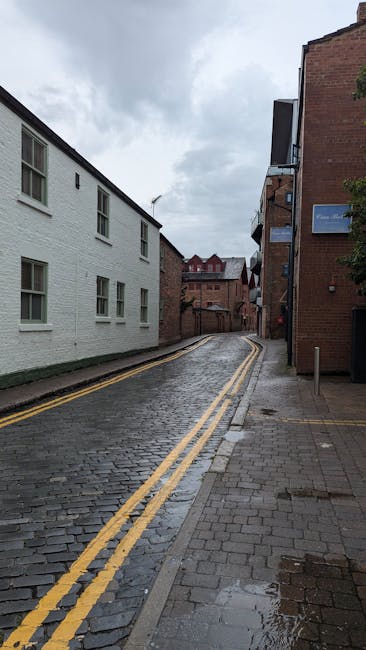
Pentonville Road Removals Guide for Narrow Streets
Pentonville Road can make a simple move feel a lot more complicated than it should. Tight access, busy traffic, limited stopping space, and awkward building entrances all change the way a removal has to be planned. If you are moving a flat, a student room, or a family home in this area, the difference between a smooth day and a frustrating one usually comes down to preparation.
This Pentonville Road removals guide for narrow streets is designed to help you plan properly, avoid common access problems, and choose the right moving method for the property and street conditions you actually have. It is written for real-world moves, not ideal ones. That means practical advice on timing, parking, packing, stairwells, building access, and when it makes sense to use a smaller vehicle or a more flexible removal setup.
For readers who want broader moving support, it can also help to review a few connected resources such as the full services overview, man with van services in Pentonville, and packing and boxes support. Those pages are useful next steps once you have worked out the scale and timing of the move.
In narrow-street removals, the best result is rarely about brute force. It is about planning, sequencing, and keeping the load small enough to stay flexible.
Why Pentonville Road removals guide for narrow streets Matters
Narrow streets create a chain reaction. A van that is too large blocks traffic. A poorly timed arrival can leave your team circling for space. One awkward corner can turn a quick load into repeated carrying over a long distance. And if the property has stairs, a basement, or a top-floor flat, the access challenge doubles quickly.
That is why a guide like this matters. It helps you think ahead about the points where a move is most likely to slow down:
- Parking and unloading distance from the property entrance
- Vehicle size and whether a full removal van is practical
- Time of day and how traffic affects access
- Building layout, including stairs, lifts, and shared hallways
- Item size and whether furniture must be dismantled
- Neighbour and road considerations, especially where space is shared
On a street like Pentonville Road, these details are not minor. They can define the whole move. A narrow road often rewards smaller loads, better communication, and a removal plan that stays adaptable from the first minute to the last.
If you are still comparing service styles, the main removals service in Pentonville and flat removals support are especially relevant for the kind of access issues that show up in compact streets and apartment buildings.
How Pentonville Road removals guide for narrow streets Works
The process is straightforward in principle: reduce friction before the van arrives. In practice, that means matching the moving method to the street, the property, and the items.
A successful narrow-street move usually works like this:
- Assess the property access before the moving day.
- Choose an appropriate vehicle size for the road conditions.
- Reduce the volume of items by decluttering or separating non-essentials.
- Pack in a way that supports fast handling, not just storage.
- Book a realistic time slot that avoids the busiest access periods where possible.
- Prepare for shorter loading runs with clear routes from the door to the van.
- Load carefully and in order so the most fragile or urgent items are accessible first.
The "how" also depends on what you are moving. A few boxes and a desk are one thing. A wardrobe, mattress, sofa, and appliances are another matter entirely. If your load includes bulky furniture, it can be worth reading about furniture removals in Pentonville and how larger items are handled in tighter access settings.
For items such as pianos, the planning becomes even more important. In those cases, professional advice from piano removals specialists is far more sensible than hoping the layout will work itself out on the day. It usually will not.
Key Benefits and Practical Advantages
The main advantage of a narrow-street removals strategy is control. You are reducing the number of unknowns before the move even starts.
That brings several practical benefits:
- Less waiting time while drivers look for loading space
- Lower risk of damage because lifting and carrying routes are clearer
- Better timing because the move is planned around access, not just convenience
- Less stress for residents and neighbours thanks to smoother loading
- More efficient use of labour since people are not wasted on avoidable back-and-forth trips
- Greater flexibility if something changes at the last minute
There is also a quiet benefit that people overlook: a well-planned move feels calmer. You are not making decisions under pressure while carrying a bookcase down a narrow stairwell. You have already thought it through.
That matters, especially if you are coordinating work, children, or a move-out deadline. If you want to reduce pressure before the day, the advice in effective decluttering for a simpler relocation and worry-free home relocation planning is especially useful.
Who This Is For and When It Makes Sense
This kind of move plan is especially relevant if any of the following apply:
- You live on or near a road with limited stopping space
- Your property has narrow stairs or a tight internal hallway
- You are moving from a flat, maisonette, or upper-floor apartment
- You have bulky items that will not glide easily through doorways
- You need to move on a schedule that leaves little room for delays
- You are combining removal, storage, and delivery timing
It also makes sense for students, renters, and first-time movers who may not have the experience to judge access correctly. A street can look manageable from the pavement and still be awkward once a van arrives. That is a common surprise, and usually an expensive one if it is discovered too late.
If you are moving a small property or a short distance, a flexible setup such as man and a van in Pentonville may be more suitable than a larger fixed-service option. For moves with little notice, same-day removals can also be relevant, provided access has been checked properly first.
Step-by-Step Guidance
The best narrow-street move starts before packing, not on the morning of collection.
1. Walk the route from property to road
Start with the basic path. Open the front door, check the hallway width, note any turns, count stairs, and look for low ceilings, railings, or tight corners. If a sofa cannot comfortably turn in the hallway, that is a planning issue, not a lifting issue.
2. Measure large items honestly
Measure the tall, wide, and deep dimensions of your largest items. Do not assume a wardrobe, mattress, or table will "probably fit." It is better to know exactly what needs dismantling than to discover it in the middle of the job.
3. Decide what is worth moving
Moves in narrow areas are easier when you remove unnecessary volume. A smaller load means a smaller van, fewer trips, and less risk of clutter creating obstacles. If you want a practical starting point, the guide on removing excess clutter before moving offers a useful mindset for reducing bulk early.
4. Pack for speed, not just safety
Good packing protects items. Great packing also speeds up handling. Keep boxes the same general size where possible, label them clearly, and avoid overfilling large boxes with heavy items that are awkward to carry through tight spaces. The article on effective packing strategies for house moves is a strong companion here.
5. Choose a realistic moving time
Time slots matter more on narrow roads. A quieter period can make a huge difference to parking and loading. If there is a better delivery or collection window, use it. You can also see how timing preferences are handled on the best-time delivery page.
6. Reserve room for the unexpected
Even a well-run move can face a delay from traffic, roadworks, or access issues. Build a little slack into your day. It is not pessimism; it is sensible logistics.
7. Keep priority items separate
Set aside essentials such as documents, chargers, medication, keys, and a basic tool kit. If you are moving into a property with limited space, this avoids the classic "where on earth did the kettle go?" moment.
For people who prefer a hands-off approach to boxing up items first, packing your items and waiting for collection can be a practical arrangement when the schedule is tight and the access plan is already clear.
Expert Tips for Better Results
In our experience, the smoothest narrow-street moves are the ones that stay simple.
- Use smaller, more manageable loads. One heavy, overpacked box is harder to carry than two sensible ones.
- Disassemble furniture early. Take off legs, rails, shelves, and loose fittings before moving day.
- Protect corners and stair edges. A narrow route means more opportunity for scuffs.
- Keep walkways clear. Shoes, plant pots, bins, and loose bags all become hazards in tight access.
- Label fragile and priority items clearly. This helps the team load in the right order.
- Use gloves and proper grips for awkward pieces. A slippery mattress on a narrow landing is nobody's idea of a good morning.
If you are dealing with sofas, mattresses, or large soft furnishings, it can help to review the practical handling advice in sofa storage and handling advice and bed and mattress moving guidance. The basic principle is the same: make bulky items easier to handle before they become awkward in a tight corridor.
And for heavier lifting, remember this: the strongest strategy is usually the safest one, not the bravest one. Your back will thank you later.
Common Mistakes to Avoid
Narrow-street moves tend to fail for predictable reasons. The good news is that most of them are avoidable.
- Booking a vehicle that is too large for the access available
- Assuming parking will be easy because it was quiet the night before
- Leaving packing too late and creating a rushed loading process
- Failing to measure furniture before moving day
- Ignoring access restrictions such as timed loading bays or resident-only bays
- Not checking internal obstacles like banisters, narrow turns, and low door frames
- Overpacking boxes so they become unsafe and slow to carry
One of the biggest mistakes is treating street access as a small issue. It is not. On a narrow road, access is part of the move itself. If you get it wrong, everything else becomes harder.
People also sometimes forget the emotional side of it. A move can feel stressful enough without discovering that the van cannot stop where expected. A bit of planning is far cheaper than improvising under pressure.
Tools, Resources and Recommendations
You do not need specialist equipment for every move, but the right tools make a big difference in tight spaces.
| Tool or Resource | Why It Helps | Best Used For |
|---|---|---|
| Measuring tape | Confirms furniture and doorway clearances | Large items, awkward entrances |
| Furniture blankets | Reduces damage during close-quarters carrying | Sofas, tables, cabinets |
| Ratchet straps | Helps secure items safely in the vehicle | Mixed loads and bulky furniture |
| Trolley or sack truck | Speeds up transport where surfaces allow | Boxes, appliances, short runs |
| Labels and markers | Makes loading and unloading more efficient | Whole-house and flat moves |
| Floor protection | Helps prevent marks in shared hallways | Flats and managed buildings |
Useful preparation pages include removal van options in Pentonville for understanding vehicle fit, and insurance and safety information if you want reassurance about handling and protection standards.
For some customers, storage also becomes part of the plan. If you are waiting for a completion date or need to stage a move across multiple days, storage in Pentonville can reduce pressure and make the road-access side much easier to manage.
Law, Compliance, Standards, or Best Practice
For moves in narrow streets, the main compliance concerns are practical rather than dramatic. The key is to avoid creating unsafe access, blocking traffic unnecessarily, or handling items in a way that risks injury or damage.
Best practice usually includes:
- Parking legally and respecting local restrictions
- Checking whether permits or loading rules apply before the day of the move
- Keeping footways clear where possible so pedestrians are not forced into the road
- Using safe manual handling techniques for heavy or awkward items
- Protecting communal areas in flats and converted properties
- Confirming insurance coverage if professional movers are involved
Local authorities and building managers may have their own expectations for stopping, unloading, or protecting shared spaces. Those details vary, so it is sensible to check them in advance rather than assume there will be no issue. If you want to understand how a service frames those obligations, the health and safety policy and terms and conditions are worth reading before booking.
Practical summary: keep the move legal, keep it safe, and keep it compact. That is usually the winning formula on a street like Pentonville Road.
Options, Methods, or Comparison Table
Different moving methods suit different kinds of access. A narrow street does not automatically mean a smaller service is always best, but it does mean flexibility matters.
| Method | Best For | Strengths | Limitations |
|---|---|---|---|
| Full removal van | Larger house moves with straightforward access | Handles bigger loads in fewer trips | Can be difficult on very tight streets |
| Man and van | Flats, smaller homes, short-distance moves | Flexible, easier to park, often better for narrow roads | May require more planning for bulky loads |
| Hybrid approach | Mixed-size moves with tricky access | Balances vehicle size and loading efficiency | Needs clear coordination beforehand |
| Storage-first move | Moves with timing gaps or completion uncertainty | Reduces pressure and splits the move into stages | Needs extra planning and scheduling |
If the access is tight but the load is modest, a flexible local option is often the most sensible. If the property is large but access is difficult, a staged move or storage plan may be more realistic than forcing everything into one day.
For people comparing service routes, removal services in Pentonville and man with van in Pentonville are the natural pages to review next.
Case Study or Real-World Example
Consider a typical flat move on a busy stretch of Pentonville Road. The property has one narrow internal staircase, a shared entrance hall, and limited room for a van to stop outside for long. The mover has a sofa, a bed frame, a mattress, several boxes, and a small table.
A rushed approach would mean turning up with a vehicle that is too large, waiting for space, and then discovering the sofa does not turn comfortably at the top of the stairs. That creates avoidable delays and more lifting than necessary.
A better approach looks like this:
- The sofa is measured first and partially dismantled where possible.
- Boxes are kept medium-sized so they are safe to carry.
- The van size is matched to a short loading distance rather than maximum capacity.
- The move is timed for a quieter part of the day.
- Priority items are loaded last so they can be unloaded first.
The result is not necessarily dramatic. That is the point. The move feels controlled, the hallway is protected, and the team is not forced into awkward improvisation.
This is also where planning support matters. A good move is often invisible because everything is already in the right place before the first box is lifted.
Practical Checklist
Use this checklist a few days before the move, then again on the morning itself.
- Confirm the exact property address and access instructions
- Check whether the road has parking, loading, or stopping restrictions
- Measure the largest furniture pieces
- Decide which items will be dismantled
- Sort and label boxes by room
- Keep essential documents and valuables separate
- Clear hallways, staircases, and entry points
- Protect floors, corners, and shared areas where needed
- Book the right vehicle size for the road and load
- Confirm arrival time and contact details with the mover
- Set aside tools such as tape, bags, markers, and basic fixings
- Prepare a backup plan if parking is unavailable on arrival
If you need a final preparation push, the guidance on pre-move cleaning and moving house with less stress pairs well with the checklist above. A tidy, calm space almost always makes the actual move easier.
Conclusion
Narrow streets change the logic of a move. On Pentonville Road, success usually comes from planning access first, then choosing the right vehicle, then packing and loading in a way that respects the space available. That may sound simple, but it is exactly what keeps the day manageable.
If you take one thing from this guide, let it be this: do not treat street access as an afterthought. Measure, check, clarify, and reduce the load where you can. The more you prepare, the less likely you are to face delays, damage, or stress when the van arrives.
Whether you are moving a flat, a single room, or bulky furniture, the safest route is usually the smartest one. And on a narrow street, smart almost always beats big.
For tailored help with your move, start with the service pages most relevant to your situation, then speak to a specialist who understands compact access and local logistics.
Get a free quote today and see how much you can save.
Frequently Asked Questions
What makes Pentonville Road more challenging for removals?
Narrow access, limited stopping space, and urban traffic can make loading and unloading slower. The main challenge is not the distance, but how easily a vehicle and furniture can fit into the available space.
Should I use a large removal van on a narrow street?
Not always. A larger van may be efficient for volume, but if the road is tight or parking is difficult, a smaller or more flexible setup can reduce delays and access problems.
How far in advance should I plan a move on a narrow street?
As early as possible. Even a straightforward move benefits from advance planning, but narrow streets need more attention to parking, timing, and furniture measurements.
Do I need to measure my furniture before moving day?
Yes. Measuring large items is one of the simplest ways to avoid problems with doorways, staircases, and turning spaces inside the property.
What if the van cannot stop right outside my property?
That is common in compact streets. The move should be planned with a realistic carrying distance in mind, and the team should know in advance where parking or unloading is likely to happen.
Can I move bulky furniture without dismantling it?
Sometimes, but not always safely. If an item is awkward, heavy, or difficult to turn in a hallway, dismantling it may save time and reduce the risk of damage.
Is same-day moving possible on Pentonville Road?
It can be, provided the access is workable and the load is suitable. Same-day moves are easier when the item list is small and the route has already been checked.
What packing style works best for tight access?
Use medium-sized, clearly labelled boxes and avoid overpacking. The goal is to make each item easy to carry, stack, and move through narrow spaces.
How do I reduce the stress of a narrow-street move?
Declutter early, confirm the route, choose the right vehicle, and keep essentials separate. Good planning removes a surprising amount of pressure from the day.
What should I check with my mover before booking?
Ask about vehicle size, timing, access requirements, insurance, and how they handle tricky loading conditions. Those details matter more than a generic price alone.
Are there special rules for parking or loading on busy streets?
There may be local restrictions, loading rules, or resident parking controls. Because these vary, you should check the relevant area and confirm the plan before move day.
When is storage a better option than moving everything at once?
Storage can help if your completion date is uncertain, your new place is not ready, or you want to split the move into stages to make access easier.